No More Whales at Marineland
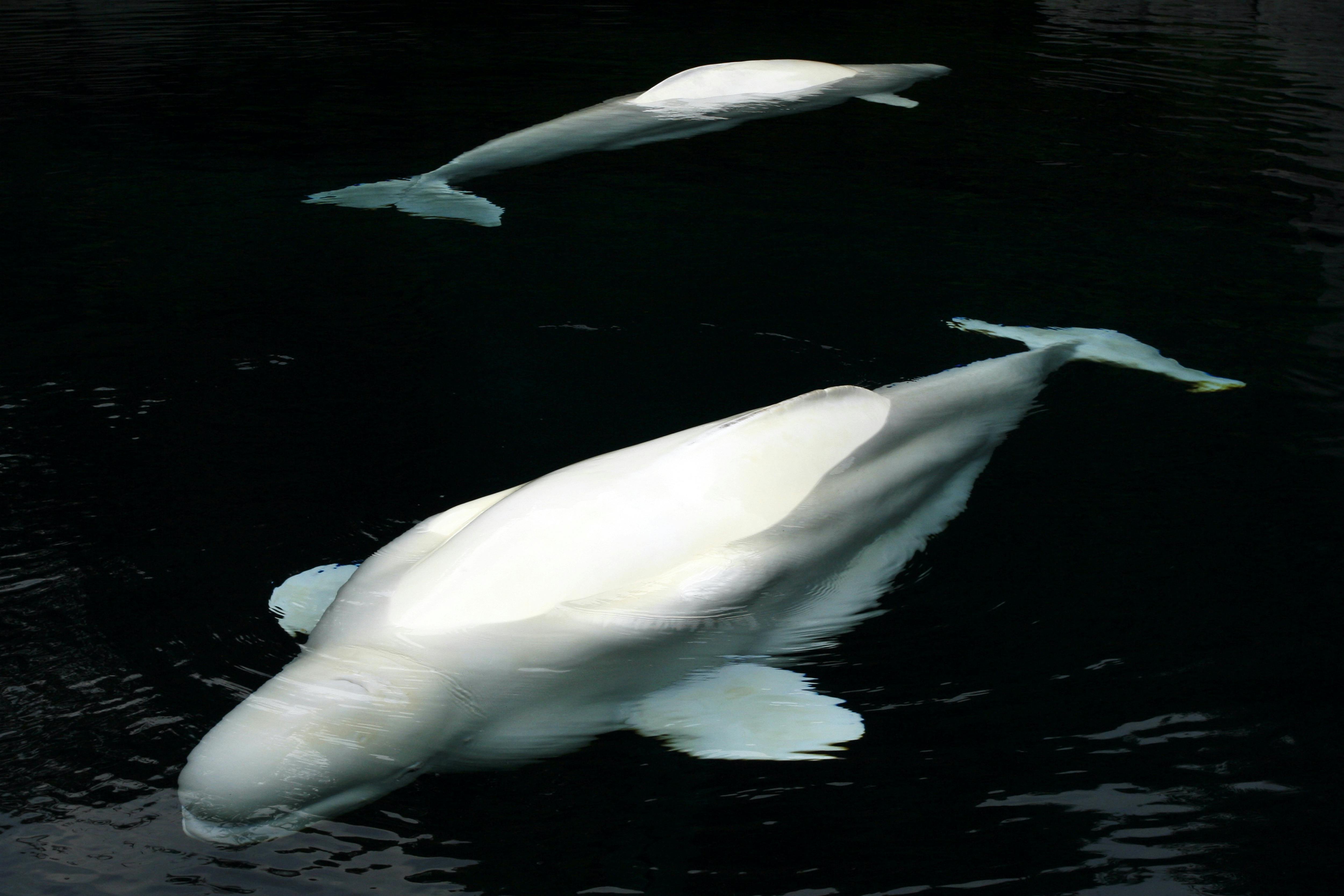
Animal advocates have rallied for decades against the keeping of whales, dolphins and porpoises in captivity for entertainment and profit. Your efforts built Bill S-203 that banned these practices, but Marineland was among the businesses grandfathered into the bill, who were allowed to keep their animals.
With the conditional approval of the federal government to move the whales, Marineland’s history of holding whales in captivity will finally come to an end. However, their transfer to another venue outside of Canda’s regulation, where they may still be used for entertainment or breeding, is not the ending these animals deserved – even if it is deemed the best option available
When the federal government denied export of the whales to China in fall 2025, and animal advocates worked around the clock to find options for these creature — it seemed like a humane future was possible.
The recent approval came after Marineland issued new threats of euthanizing the whales.
There are lessons to be learned from this legacy. Stronger, forward-looking legislation that anticipates what happens to animals after a facility closes, changes ownership, or becomes non-compliant, could have prevented years of uncertainty and suffering for these whales.
As the government considers bringing forward similar protections for elephants and great apes in captivity, this is a clear example that preventing harm in the future is important, but new laws must also protect animals today.
Animal welfare legislation must be bold, preventive, and grounded in long-term compassion. That is the lesson to carry forward in the work that still lies ahead.
Thank you for being a part of the movement that banned this cruelty in Canada, and being a part of a community that so desperately wanted more for the last whales of Marineland.
The End of Ontario’s Cosmetic Surgeries?
Ontario is considering a ban on certain medically unnecessary procedures for cats and dogs — a promising step forward that would help Ontario catch up with other provinces in strengthening protections for animals.
Cosmetic surgeries such as declawing, ear cropping, tail docking and devocalization cause animals unnecessary pain and suffering, provide no benefit to an animal’s health or welfare, and prevent animals from expressing normal behaviours.
A shortcoming in the proposed regulations is that they only ban declawing, ear cropping and devocalization. Excluding unnecessary tail docking is a significant gap that will result in suffering for animals.
Tail docking for specific breeds is a cosmetic practice with no substantiated benefit. Tail injuries in dogs are relatively rare, and docking to prevent hypothetical future harm is not supported by evidence.
In limited circumstances tail amputation may be medically necessary to relieve pain or prevent suffering. Regulations should clearly permit veterinarians to perform tail docking only when it is in the animal’s best medical interest.
Moving Toward Stronger Animal Protection
Banning unnecessary medical procedures is a step toward improving animal welfare in Ontario. You can help push these important protections forward. Write to your MPP and let them know Ottawa supports a ban on medically unnecessary procedures and that more can still be done to protect Ontario’s animals.
A Year of Progress
The OHS’s annual report is available online and shares the life-saving stories and statistics that you made possible.
As an animal advocate, you made an impact in sharing your perspective on the challenges facing cats in Ottawa, you took a stand against cruel bull riding events, and you spoke out against Ontario’s train and trial pens where wild animals are trapped and hunted for sport.
You’ve already kept the momentum going for the animals, by rallying for better protections for animals used for research in Ontario and ensuring that laws and their enforcement are strong enough to protect puppies and their mothers from cruel breeding practices.
You’re building a better future for the animals, and your support means the OHS can be here today for the animals who have nowhere else to go.
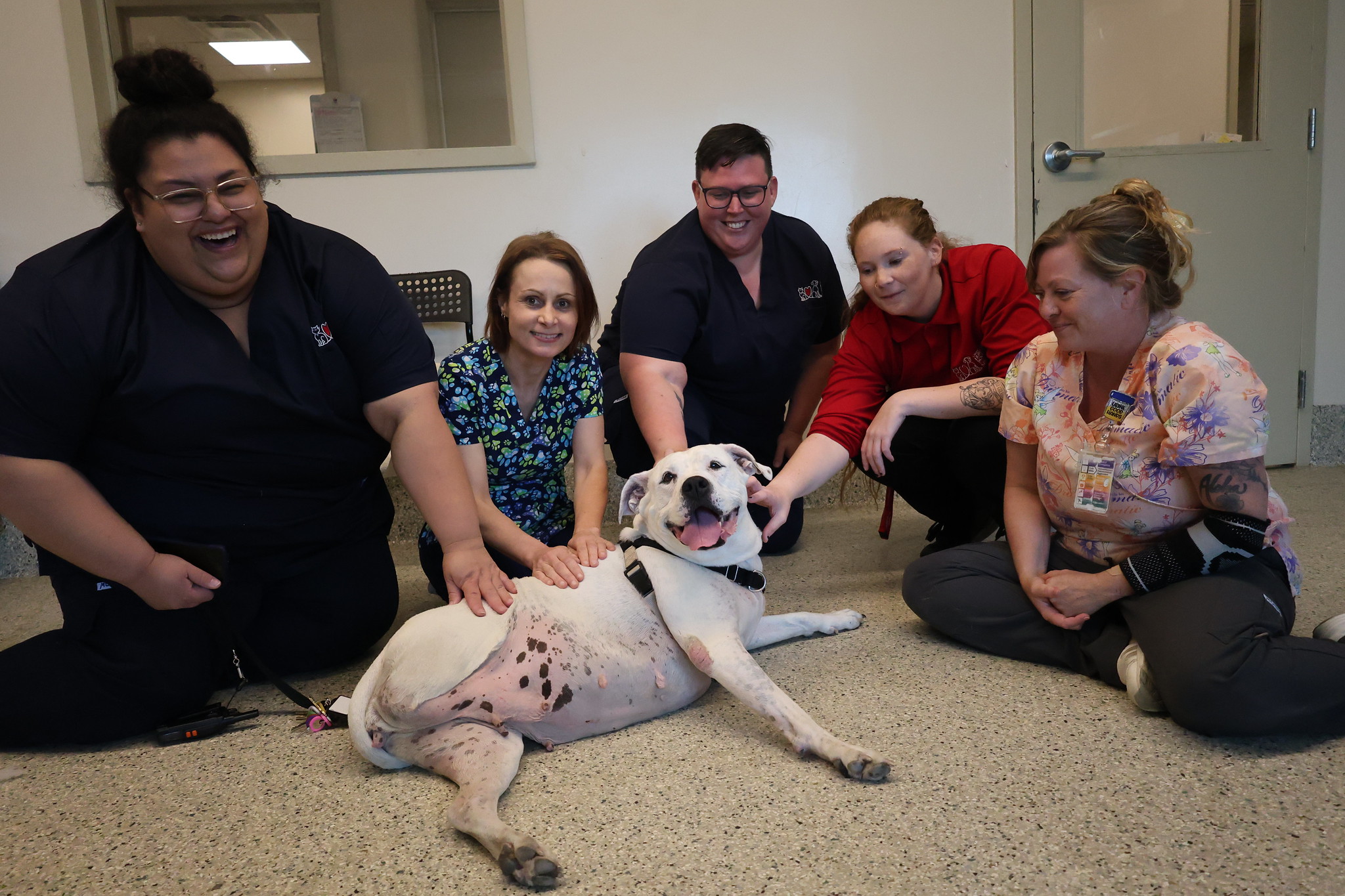
Last year, you made sure shelter and care was available for close to 8,000 vulnerable animals who desperately needed help. You kept thousands of pets with their people and out of the shelter by supporting OHS community programs that provide preventive care.
Read the report online, and share it with your family and friends to get even more caring people involved in helping animals in need. These are your stories, and they are only possible because of your compassion. Thank you for helping Ottawa’s animals to thrive!
Pets Separated From Their People
As the cost of living rises, more people are forced to surrender their pet to the OHS because they can no longer afford to care for them. Sometimes it’s the basics that fall out of reach — when people are no longer able to afford the daily food and supplies their pets need. Sometimes, it’s an unexpected emergency that separates a person from their pet.
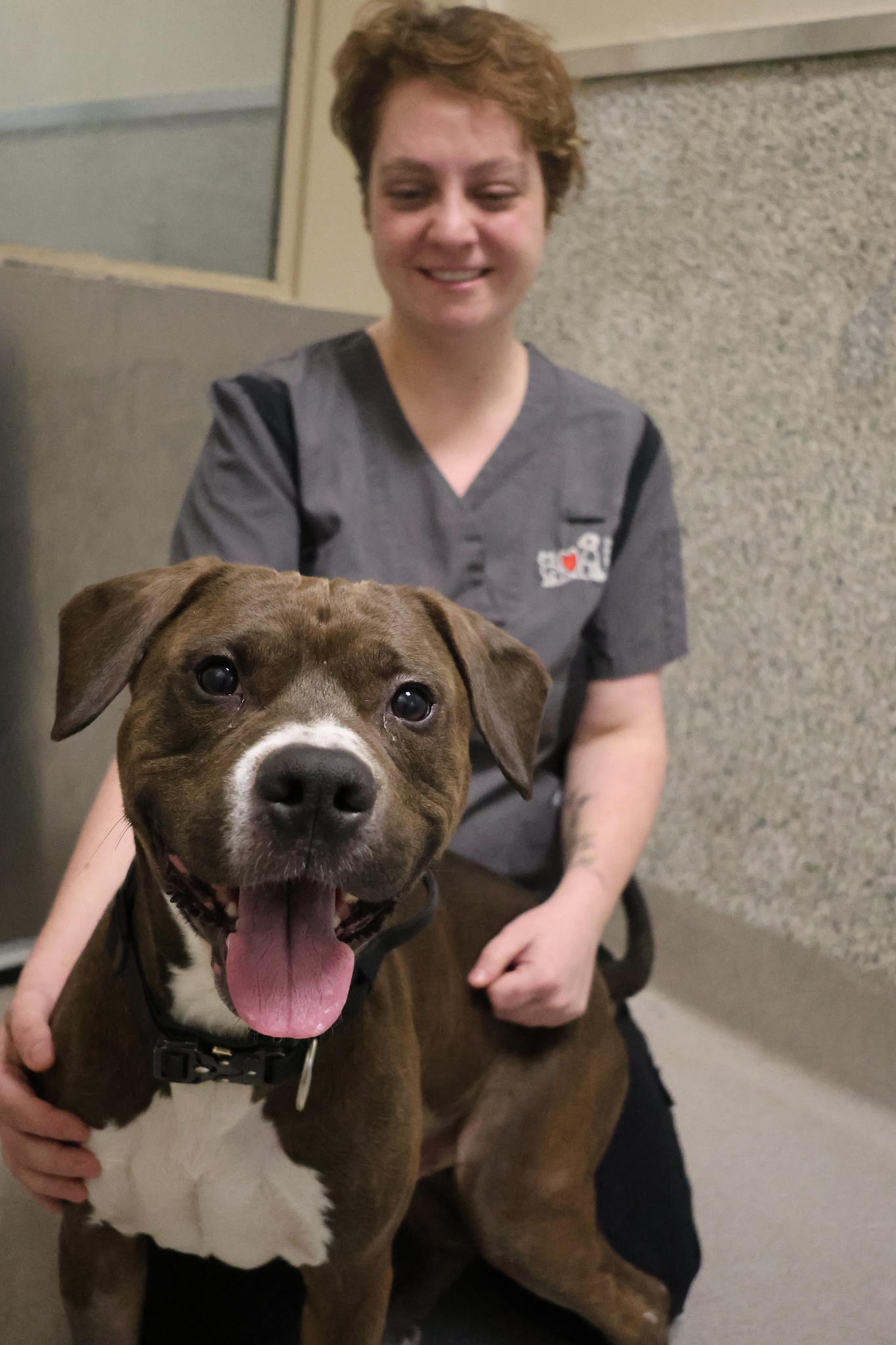
Esco was a five-year-old American bulldog mix who found himself in an emergency situation. He had swallowed a foreign object, and he was becoming lethargic and would barely eat. Facing unbearable costs, his owners made the heartbreaking, but compassionate decision to surrender him to the OHS to give him the best possible chance at a positive outcome.
OHS veterinarians performed surgery to remove the object from Esco’s digestive track and save his life. He has since recovered and found his second chance with a new family.
Wherever possible, the OHS aims to keep pets with the people who love them; providing support like pet food banks, wellness clinics and temporary boarding. But the OHS is not equipped to provide veterinary care for owned pets in the community — which could keep hundreds of pets with their families and out of the shelter each year.
The OHS is planning ahead for a future where more pets can stay with the people who love them and needs your help to make it a reality. Find out more about how the OHS plans to keep more families together. With your help, more animals like Esco can stay with their loving families.