
OHS Prepares for Kitten Season
Kitten season is the time of year when many kittens are born — too often outdoors with no one to care for them. In Ottawa, this typically begins in April, when the weather starts to warm, and continues through October.
Early action in the spring can make a difference in preventing cat homelessness. Preventing unplanned litters early in the season helps reduce the number of kittens born outdoors later in the year when the cats would face colder weather and more challenging conditions.
The OHS offers free spay/neuter for Ottawa’s feral cats through its Feral Cat Program, which works directly with local colony caretakers. The OHS will be increasing the number of appointment available in the spring to help prevent pet overpopulation.
All cats at the OHS are spayed/neutered before adoption and the OHS offers subsidized sterilization for cats whose owners typically wouldn’t be able to afford the service. But it takes a community to protect all of Ottawa’s cats.
There are steps the community can take to help prevent the Ottawa’s cycle of homeless cats.
- Identify your cat with a collar, tag and microchip to help them return home quickly if they are ever lost.
- Spay/neuter your cat to slow Ottawa's cycle of homeless cats.
- Unless on leash and harness or in the safety of a catio, keep your cat indoors to protect them from hazards and help prevent unexpected litters.
- Share the OHS’s lost & found resources to help more stray cats return home.
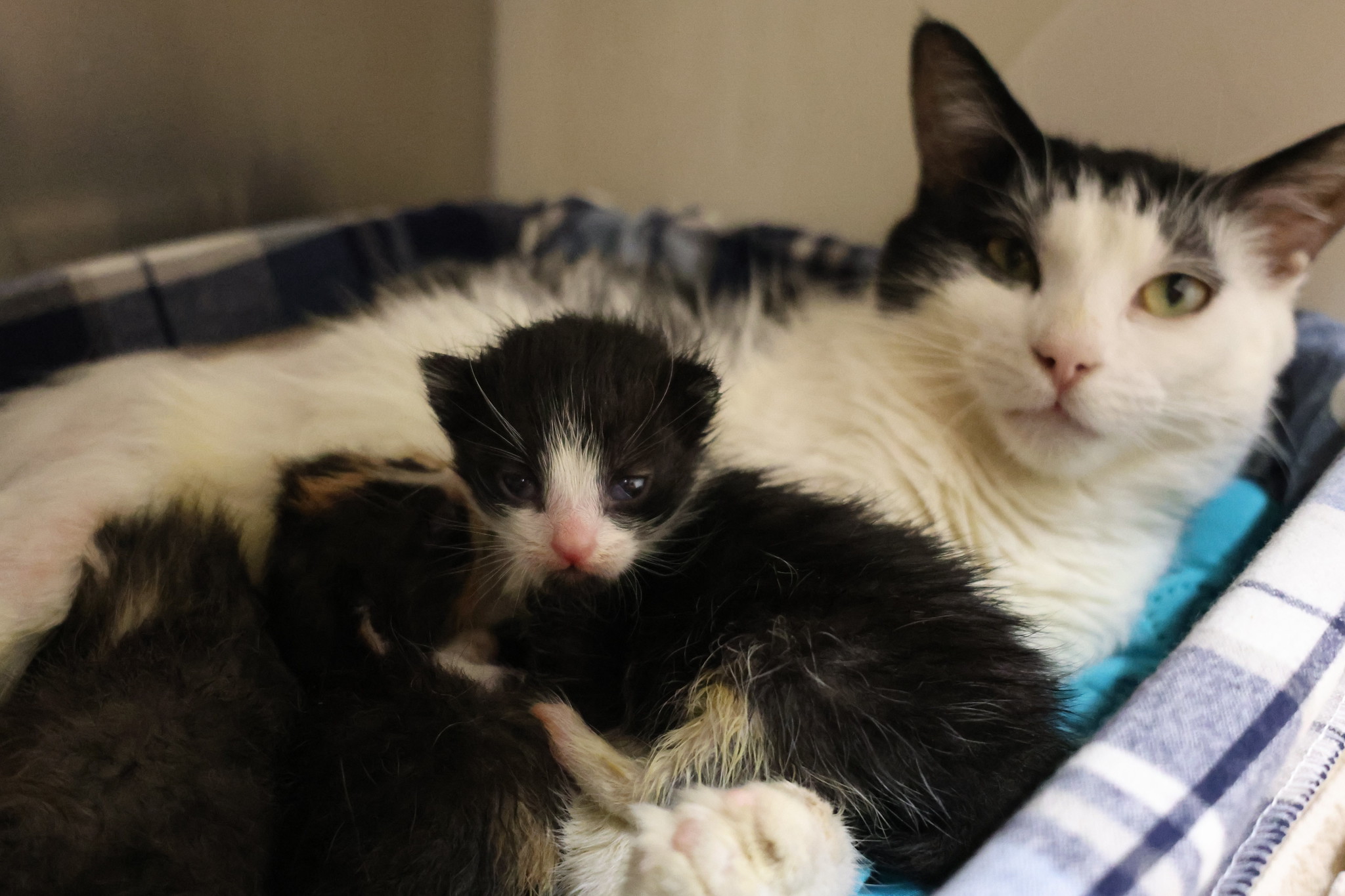
Your support helps cats like Marcie and her three kittens. This little family was found outside, alone, with no one to care for them. Your action today means fewer cats will be born outdoors and forced to fend for themselves.
Co-Existing With Wildlife
As more wildlife becomes active, the OHS is urging the community to stop and consider the situation before approaching or moving baby wild animals. While it’s natural to feel concerned when spotting a young animal alone, intervening isn’t always in the animal’s best interest.
Many wild species, such as rabbits and deer, commonly leave their young unattended for long stretches of the day. However, finding a lone baby skunk or groundhog is a clearer indication the animal may need help. The OHS has easily sharable information available online and the Rideau Valley Wildlife Sanctuary has species-specific information for helping baby animals.
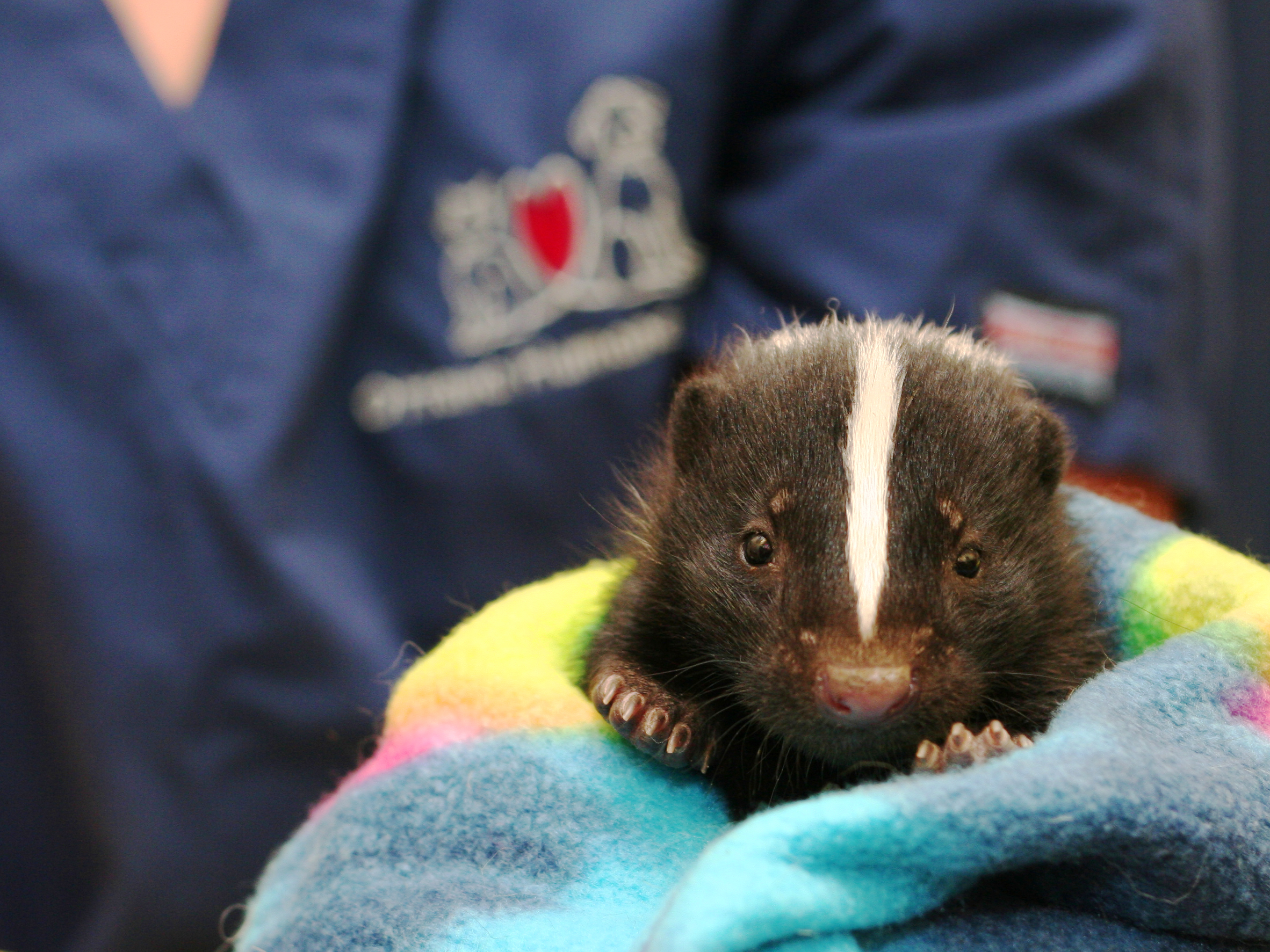
Each year, the OHS receives approximately 1,400 sick, injured and orphaned wild animals. Often, rehabilitation is not an option for wild animals who are vulnerable enough to be caught and brought to the OHS, but whenever possible, the OHS will transfer suitable animals to partners in wildlife rehabilitation.
There are a few key steps pet owners can take to protect wildlife and prevent unwanted encounters:
- Keep dogs leashed: Dogs can seriously injure wild animals. Unless in the safety and control of an off-leash dog park or an enclosed yard, keeping your dog on a leash protects wildlife and keeps your pet from having a bad encounter with a porcupine.
- Keep cats indoors: Roaming cats can have an impact on local bird populations and small rodent populations, and can also fall prey to predators. Keeping your cat indoors unless supervised on a leash and harness or in the safety of catio will keep your cat safe and protect wild animals.
- Secure waste and food sources: Garbage bins, compost piles, and pet food left outdoors can attract wildlife, leading to potential conflicts. Secure these sources to discourage wildlife from venturing too close to areas frequented by pets. Put out garbage and recycling on the morning of pick-up, not the night before.
Your support helps the OHS and its partners weave a safety net for animals of all shapes and sizes. Share this information to help protect Ottawa’s wildlife.
A Reminder that Surrendering Pets is OK
Sometimes, people are afraid to surrender to the OHS, worried they may face fees, judgement or restrictions on adopting pets in the future.
There is no fee to surrender to the OHS, people who surrender their pets are not prevented from adopting in the future, and the OHS believes thoughtfully surrendering a pet is a decision that is both tremendously difficult for the person and shows great compassion for the animal.
The OHS has also supports available to help keep pets with the people who love them such as a pet food bank and emergency boarding program. Open conversations about surrender have kept families together and kept pets out of the shelter.
If staying together isn’t possible, the OHS is ready to help the pet and their person through this difficult time.
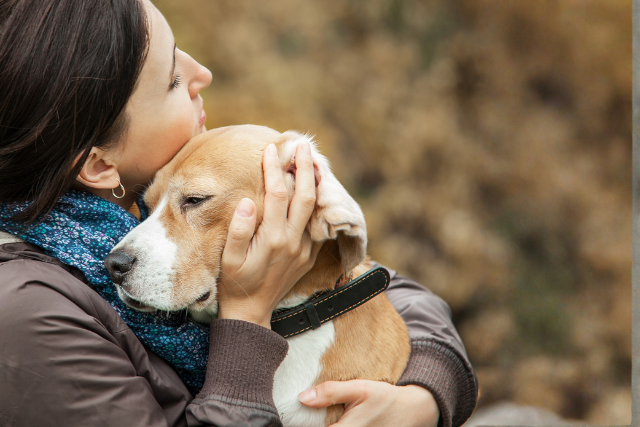
It is OK to surrender a pet to the OHS. If you know someone who is struggling to care for their pet, share the OHS’s resources with them. You can help keep a family together or can ensure the pet and the person get the help they need.
Two Major Animal Wins on the Horizon
This spring, Ontario has the opportunity to explore two key opportunities to enhance protections for cats and dogs in the province. These include banning certain cosmetic procedures on pets (ear cropping, debarking and declawing) and stronger, more modern protections for animals used in laboratory research and testing.
In late 2025, Ontario launched a consultation on prohibiting cosmetic procedures on dogs and cats under the Provincial Animal Welfare Services (PAWS) Act, with a public feedback deadline of February 5, 2026. Ontario is moving in the right direction but needs to go further by also banning unnecessary tail docking — a painful procedure that has no evidence-based benefit for the animal.
The OHS submitted its brief and working with community partners, strongly recommended that tail docking be added to the list of banned procedures.
Ontario also introduced an omnibus bill that includes amending the Animals for Research Act. The amendment would introduce new restrictions on invasive medical research on cats and dogs and clarify roles for animal care committees. The OHS submitted a brief to the province, calling for the legislation to extend its protection beyond cats and dogs, and calling for provincial investment in non-animal testing methods for the long-term sustainability of animal welfare.
While it is uncertain what will come over the next session, animal welfare must not be ignored.
Watch OHS social media channels, website and this newsletter for updates on how you can get involved in pushing this important work forwards.