

Breaking the Cycle of Cat Homelessness – One Cat at a Time
By a significant margin, cats are the animals we support the most at the OHS. Last year alone, we took in more than 3,500 cats and kittens, from strays found lost and alone, to cats surrendered by people who made the heartbreaking yet compassionate decision that they could no longer care for them, to feral cats who can’t live in typical home with people.
Preventing cat homelessness is the focus of much of our work for felines, which takes shape in our commitment to spaying/neutering every cat before adoption, increasing access to affordable spay/neuter services for families who otherwise couldn’t afford it, and working with feral cat colony caretakers to sterilize and vaccinate cats in their care.
Just as important as offering these essential services is increasing awareness and understanding in the community of challenges facing cats and how a single person can make a difference. This week, we ran our very own Cat Awareness Week and shared essential education about cats in Ottawa and how everyone can be involved in making a more compassionate future possible for our community’s cats.
Today is also National Feral Cat Day and one of the big reasons behind this week of education. Feral cats are cats who have lived most of their life outdoors, avoiding people and using their instincts to hunt and survive. On top of offering more sterilization appointments to colony caretakers, we also got teens involved in building shelter boxes for feral cats for the coming winter. These boxes are already being put to use, and the workshop was a great opportunity to connect young people with the joy and fulfillment of doing good for animals.
Spay/neuter remains one of the most effective methods for preventing unwanted litters, and more importantly, preventing suffering for kittens born outdoors who face slim odds of survival. Choosing to adopt a sterilized cat from the OHS or a local rescue rather than buying a cat online is how almost anyone can support the importance of spay/neuter for cats.
Closer to home, knowing what to do when you see a cat outdoors in your neighbourhood is another way to show compassion for cats. Unless on leash and harness with their owner or in the safety of a catio, indoors is the best place for a cat. However, the City allows cats to roam in Ottawa, which means the cat you see outside may be closer to home and family than you think. Taking a moment before you intervene, to assess if the cat is healthy, safe, and has ID like a collar and tag, can help prevent cat-napping and keep families together.
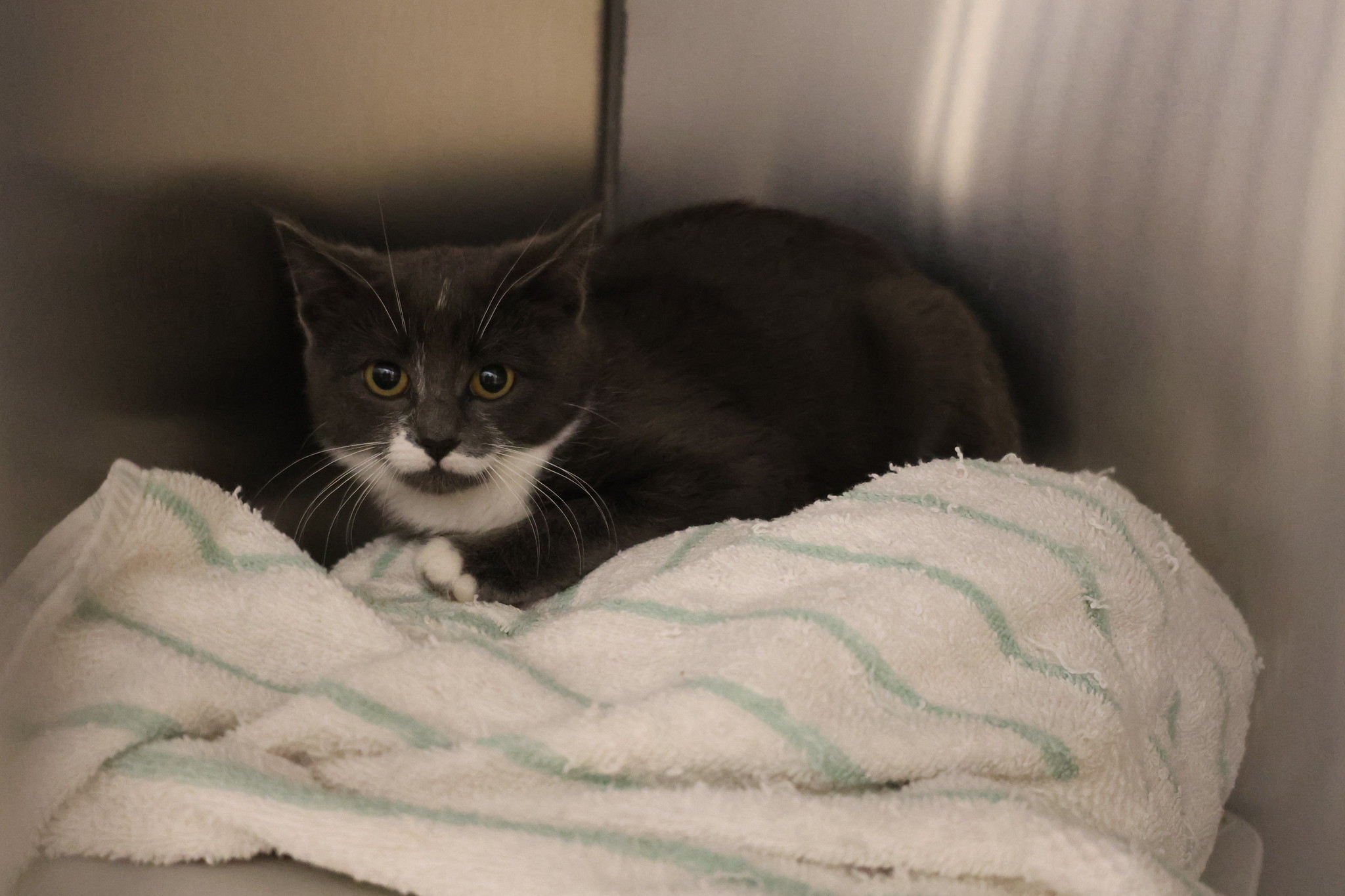
For cats who are truly lost, filing a found report with the OHS, posting in online groups, using paper posters in the community, or taking the cat to the OHS or a veterinary clinic to be scanned for a microchip are ways to help reunite a lost cat with a worried family. And for cats who are truly homeless, the OHS is here to take them in immediately and provide the shelter, care and second chance they need.
Together, we can break the cycle of cat homelessness and build a healthier, more compassionate future for Ottawa’s cats.

Sharon Miko
President & CEO